
The psychology behind why we gamble understanding the inner workings of risk and reward
The Appeal of Gambling
Gambling captivates many due to its thrilling nature and the allure of potential winnings. The psychological rush derived from placing a bet can be intoxicating, often described as a form of escapism. Players experience a surge of adrenaline, which can create an addictive cycle as they chase the excitement, further drawing them into the world of games of chance. For instance, the best crypto casino can amplify this thrill with its interactive features.
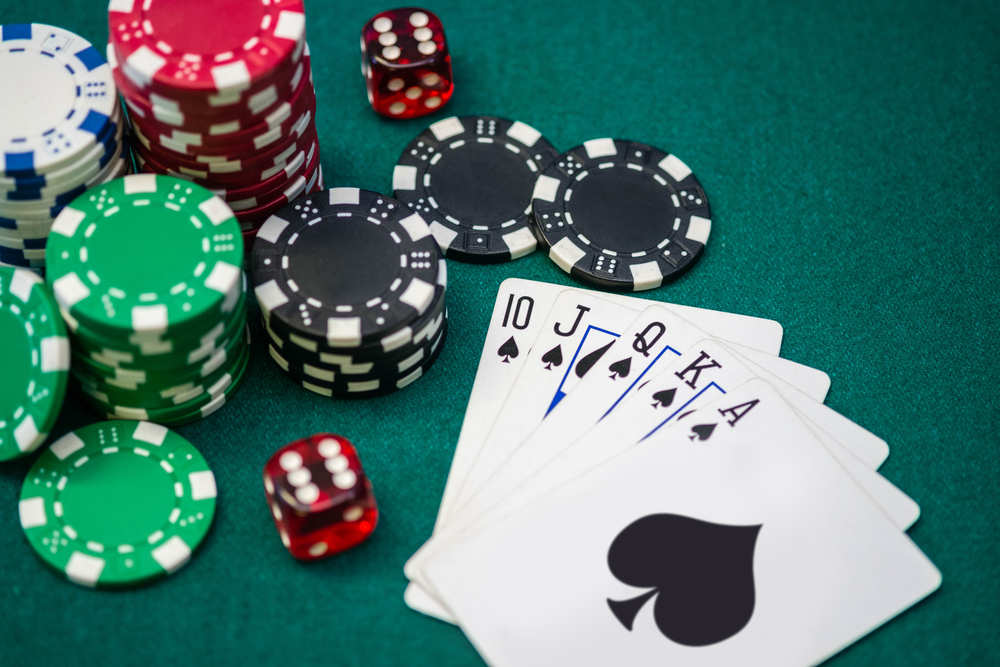
This appeal is magnified by the social environment surrounding gambling. Whether in a lively casino or an online platform, the atmosphere is designed to enhance the experience. The sounds of spinning wheels and ringing slot machines create a sensory stimulation that reinforces the desire to participate, making it difficult to resist the temptation of placing that next bet.
The Role of Risk and Reward
At the core of gambling lies the concept of risk versus reward. The potential for large payouts can cloud judgment, leading individuals to underestimate the risks involved. This imbalance is exacerbated by cognitive biases, such as the gambler’s fallacy, where players believe that past outcomes can influence future events. Such thinking can lead them to make irrational decisions, often resulting in substantial losses.
The reward system in our brains is activated during gambling, releasing dopamine and reinforcing the behavior. This neurochemical response makes players feel good when they win, creating a cycle of reinforcement that can be difficult to break. The intermittent nature of rewards—winning sporadically rather than consistently—heightens the excitement and keeps players engaged, even when losses outweigh wins.
The Psychological Factors at Play
Several psychological factors contribute to why individuals gamble. One major factor is the desire for control. Many gamblers believe that their skill or strategy can influence outcomes, even in games that are predominantly based on chance. This perceived control can provide a false sense of confidence, encouraging continued participation despite potential losses.
Another factor is the social dynamics involved in gambling. Many individuals are drawn to the communal aspects of gambling, whether it is bonding with friends over a game or the thrill of competing against others. This social component can reinforce gambling behaviors, making it not just a solitary activity but a shared experience that fosters connection and camaraderie.
The Impact of Gambling Addiction
Gambling can become an addiction for some, leading to serious consequences. Compulsive gamblers often experience negative impacts on their personal and professional lives. Relationships may suffer, financial stability may be compromised, and mental health issues such as anxiety and depression can arise from the stress of gambling-related problems.
Understanding the psychology behind gambling addiction is crucial for effective intervention. Treatment options often include counseling and support groups, which address the underlying issues and provide strategies for coping with urges. Recognizing the signs of addiction can help individuals seek help before the situation escalates, fostering healthier relationships with gambling.

ColbertNewsHub: Your Source for Insightful Content
ColbertNewsHub.com aims to provide engaging articles on a variety of topics, including the psychology behind behaviors like gambling. Our goal is to inform and educate readers about the complexities of human behavior and the societal implications of various activities.
Whether you are interested in understanding the dynamics of risk and reward or seeking updates on entertainment and pop culture, ColbertNewsHub is dedicated to delivering content that resonates with our audience. Stay tuned for more insightful articles that explore the fascinating aspects of human behavior and society.


